• Skip to primary navigation
  • Skip to main content
  • Skip to primary sidebar
  • Skip to footer

i write a lot

Lifestyle Blog

  • Home
  • About
  • Lifestyle
  • Pets
  • Food
  • Health
  • Travel Tips
  • Save Money
  • Blog
  • Business
  • Contact

Pets

Human Foods Dogs Can Eat: A Friendly Guide

July 17, 2024 by Theo Leave a Comment

Article By Gregory Grove https://k9nutripick.com/ Photo Courtesy Of Unsplash
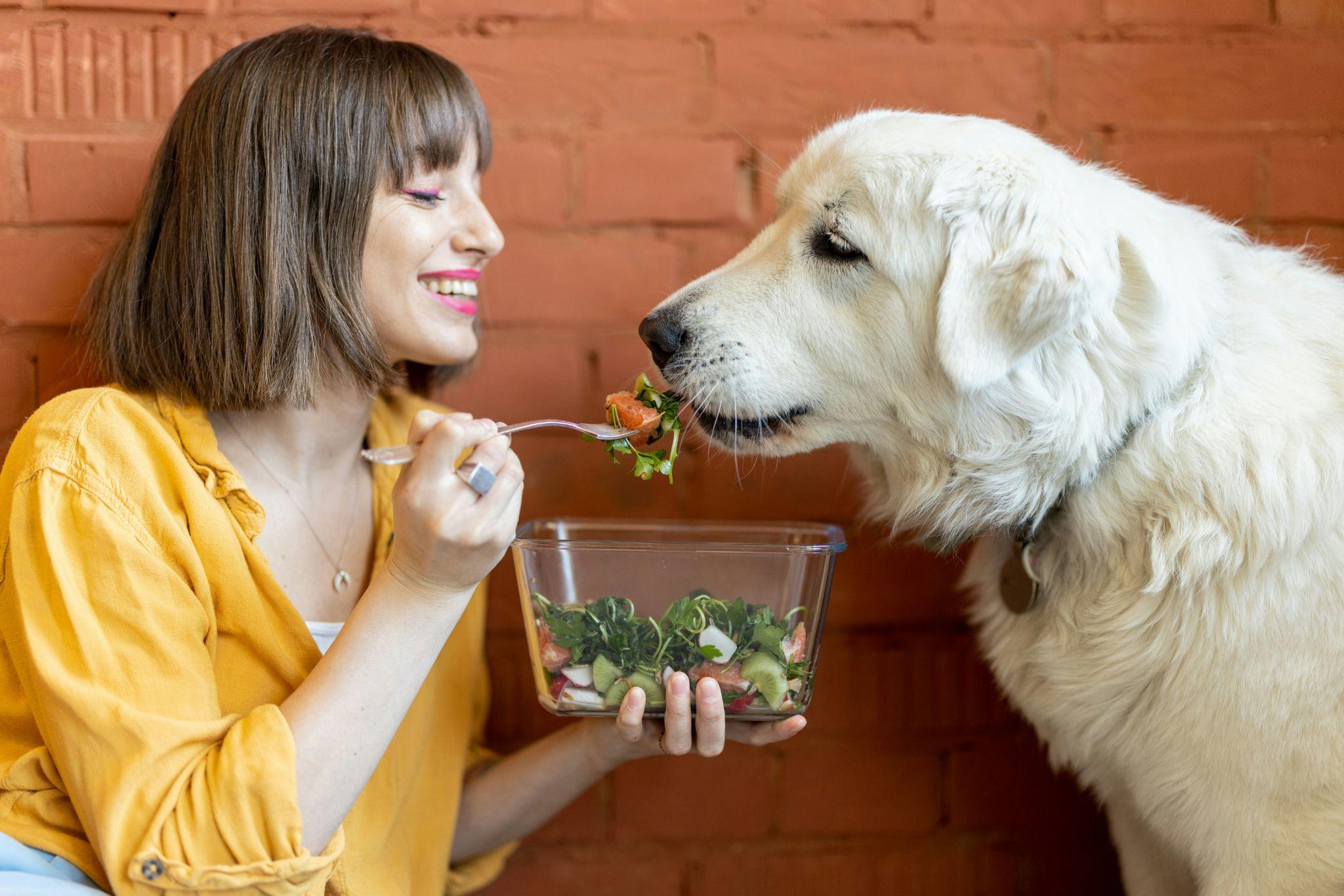
Can you share your meal with your furry friend? Knowing which human foods your dog can eat safely can make a big difference in their health and happiness. Common foods like lean meats, certain fruits, and vegetables are safe and nutritious for dogs. So, next time you’re prepping a meal, you won’t have to worry about sneaking them a bite if you know what’s good and what’s not.

Dogs can enjoy a variety of foods, from chicken and beef to carrots and green beans. Sweet potatoes and butternut squash are also excellent choices. These foods are low in calories but packed with vitamins. Just remember to avoid adding seasoning or spices and always serve these foods cooked and plain.

Of course, while many human foods are safe for dogs, others can be toxic. Foods like chocolate, garlic, and certain nuts are harmful and should be avoided at all costs. By being informed, you can create a healthier and more diverse diet for your dog, keeping them happy, healthy, and excited about mealtime.

Key Takeaways

  • Some human foods are safe and nutritious for dogs.
  • Avoid toxic foods like chocolate and garlic.
  • Always serve human foods to dogs in moderation and without added seasoning.

Benefits of Sharing Your Plate

Sharing your plate with your dog can provide them with some health benefits and strengthen the bond between you two. It’s a decision that can benefit both of you, both nutritionally and emotionally.

Nutritional Value and Balance

When you share certain human foods with your dog, you can boost them in nutrients. For example, vegetables like carrots are full of vitamins and fiber. They can help with your dog’s digestion and even clean their teeth.

Lean meats like cooked chicken and turkey are excellent sources of protein. Just make sure they are plain and boneless. These meats can support muscle growth and energy.

Fruits like strawberries and blueberries are loaded with antioxidants. These can improve your dog’s overall health and reduce the risk of some diseases.

Bonding Over Food

Eating together can strengthen the emotional connections between you and your dog. Sharing food lets you spend quality time together.

It also makes mealtime more enjoyable. Your dog will look forward to trying new, safe-to-eat foods, and you will enjoy watching their excitement.

Remember, while sharing your plate is excellent, moderation is key. Always stick to foods you know are healthy and safe for your dog. By doing so, you’re not just ensuring their health, you’re also showing them love and care. This way, you both stay healthy and happy!

Types of Meat Safe for Dogs

Dogs can enjoy a variety of meats, provided they are adequately prepared. The options from poultry and beef to fish can add valuable nutrients to your dog’s diet. Here’s what you need to know about safe meat choices for your furry friend.

Poultry Products

Chicken and turkey are top choices for dogs. Both are lean, rich in protein, and low in fat, making them great for muscle health.

Cook chicken and turkey plain — avoid seasonings, which can upset your pup’s stomach. Permanently remove bones to prevent choking hazards.

Turkey’s skin is higher in fat, so it’s best to serve skinless turkey.

These options can also help increase a dog’s appetite if mixed into regular dog food.

Beef and Pork

Beef is another excellent source of protein and essential nutrients.

Opt for lean cuts to avoid the risk of pancreatitis. Cooked, unseasoned beef is safest.

Pork is also safe in moderation. Just like with beef, ensure it’s cooked without spices. Never serve raw or undercooked pork to prevent bacterial infections.

Trim off excess fat from pork to help maintain a healthy weight for your dog.

Fish Insights

Salmon is a highly nutritious option for dogs. It’s packed with omega fatty acids that are beneficial for skin and coat health.

Always serve cooked salmon to avoid parasitic infections from raw fish. Steering clear of bones is crucial to prevent choking.

Occasionally, you can offer dogs other types of lean, white fish like cod or tilapia, but ensure they are cooked plain without seasoning.

The Meat Preparation Process

Proper preparation is critical to making meats safe for dogs.

Always cook meats thoroughly to kill harmful bacteria. Avoid adding any seasonings or sauces that could be toxic to dogs.

Raw meat diets are risky due to pathogens like salmonella. Stick with cooked options to keep your pet healthy.

Remember to cut meat into small, bite-sized pieces to prevent choking and make eating more accessible for your dog.

Fruits Dogs Can Eat

Dogs can enjoy various fruits that are not only tasty but also packed with nutrients. Some fruits are remarkable for their immune system, while others keep their digestive health in check. Here, you’ll find the best fruits to share with your furry friend, from berries to tropical treats.

Berry Beneficial

Blueberries: These tiny berries are a fantastic treat for dogs. They are rich in antioxidants, fiber, and vitamins C and K. Just a handful can boost your dog’s immune system and keep them healthy. Plus, they’re low in calories, so you can feed them without worrying about weight gain.

Strawberries: Another excellent choice, strawberries are sweet and full of vitamins. They contain vitamin C, fiber, and an enzyme that can help whiten your dog’s teeth. Slice them up or mash them to mix with your dog’s food.

Raspberries: These berries are safe for dogs in moderation. They contain antioxidants and anti-inflammatory properties, which can benefit older dogs with joint pain. However, be careful not to overfeed them, as raspberries contain small amounts of xylitol, which can be harmful in large quantities.

Citrus and Core Fruits

Apples: Apples are a crunchy, tasty snack with vitamins A and C and fiber. Just make sure to remove the seeds and core because they contain cyanide, which is toxic to dogs. A slice or two can make for a refreshing treat.

Pears: Similar to apples, pears are high in fiber and vitamins. They can help improve your dog’s digestive health. Permanently remove the seeds and core, as they contain cyanide. Small pieces can be a safe and sweet treat.

Oranges: While not every dog loves the taste of oranges, they’re packed with vitamin C. Peel the orange and only offer the fleshy part. Too much citrus can cause stomach upset, so give it in small amounts.

Tropical Treats

Bananas: Bananas are a great source of potassium, vitamins, and biotin. They’re also high in fiber, which can aid digestion. However, they are relatively high in sugar, so give them in moderation. You can slice them up or mash them into your dog’s food.

Pineapple: Fresh pineapple is a sweet, tropical snack full of vitamins and fiber. Just remember to remove the tough outer skin and core. Pineapple can occasionally help digestion, but avoid feeding too much as it can be too acidic.

Mango: Mangoes are safe for dogs if you properly prepare them. Remove the pit, as it contains cyanide and can be a choking hazard. The flesh is rich in vitamins A, B6, C, and E, making it a nutrient-packed treat.

Melon Medley

Watermelon: Watermelon is a hydrating dog treat, especially on hot days. It’s low in calories and packed with vitamins A, B6, and C. Ensure you remove the seeds and rind, as they can cause digestive issues. Small, seedless chunks are perfect for an excellent snack.

Cantaloupe: Cantaloupe is high in vitamins A and C and an excellent hydration source. Like watermelon, you must remove the seeds and rind before feeding. It’s a fantastic option for a sweet and healthy treat your dog will love.

Honeydew: Honeydew is another melon’s best friend; it’s sweet and contains vitamins. Remove the seeds and rind like with other melons to avoid digestive problems. Small pieces can make an excellent snack for your pup.

Vegetable Varieties

There are various kinds of vegetables that are safe and nutritious for your dog. These can be divided into several categories, such as roots and tubers, leafy greens, and legumes and beans.

Roots and Tubers

Roots and tubers include veggies like carrots and sweet potatoes. These are sturdy vegetables packed with essential nutrients. Carrots are a favorite among dogs because they are low in calories but high in fiber and vitamins. They can even help clean your dog’s teeth if given raw due to their crunchy texture.

Sweet potatoes are another great option. They are packed with vitamins A and C and are also high in fiber, aiding your dog’s digestion. Cook them plain to serve as a tasty treat.

Pumpkin is another root vegetable that’s safe for dogs. Full of fiber and vitamin A, pumpkin can help your dog digest. It’s best served cooked and plain to avoid any digestive issues.

Leafy Greens

Leafy greens like spinach and broccoli can be great additions to your dog’s diet. Spinach is rich in iron and vitamins A, C, and K, which benefit your dog’s overall health. You can add a small amount to their food, either cooked or raw.

Broccoli is another leafy green that is safe for dogs in moderation. It’s rich in vitamins C and K but should be given in small quantities to avoid upsetting your dog’s stomach. You can serve it steamed or raw, but avoid adding any seasoning.

Slowly introducing these leafy greens ensures your dog can tolerate them.

Legumes and Beans

Green beans and peas are excellent examples of legumes that are safe for dogs. Green beans are high in fiber and vitamins but low in calories. They can be served raw, steamed, or canned, as long as no added salt is added.

Peas, including sugar snap, English, snow, and garden peas, are another excellent choice. They are rich in vitamins A, B, and K and minerals like iron, magnesium, and potassium. Peas are also high in fiber and protein. Just be sure to serve them in moderation to avoid any digestive issues.

Safe Grains and Dairy

Some grains and dairy products can be safe and beneficial for your dog’s diet. Let’s explore grains like rice and bread and consider dairy items like cheese and yogurt.

From the Bakery

Regarding grains, rice and bread are often safe for dogs. Rice, especially plain white or brown rice, is a good source of carbohydrates, which can provide your dog with energy. It’s also gentle on their stomach, making it a standard recommendation for dogs with digestive issues.

Bread can also be safe for dogs in small amounts. Make sure it’s plain and doesn’t contain any harmful ingredients like raisins or chocolate. Whole-grain bread can offer some nutritional benefits, including fiber and vitamins.

You might wonder about baked goods like muffins or cakes. It’s best to avoid these as they often contain sugar and other additives that aren’t good for dogs. Stick to simple grains from the bakery aisle to keep your pup healthy and happy.

Dairy Details

Cheese can be a tasty treat for dogs, but moderation is key. Many dogs love cheese, which can be a perfect high-reward training treat. Choose low-fat varieties to avoid unnecessary calories and natural cheeses without added flavorings or ingredients.

Yogurt is another dairy product that can be beneficial. Plain, unsweetened yogurt with live active cultures can benefit your dog’s digestive system. It provides probiotics, which can support gut health.

Be mindful of lactose intolerance, which is common in dogs. If your dog is upset, it’s best to avoid dairy products. Always introduce any new food gradually and watch for any adverse reactions.

Remember, while eggs are not dairy, they are safe and nutritious for dogs. They are a good source of protein and can help with an upset stomach. Cooked eggs are the best option to avoid any risk of salmonella.

Healthy Fats and Oils

Hey there! Let’s discuss healthy fats and oils you can add to your dog’s diet. These can be beneficial for their coat, skin, and overall health.

Peanut Butter

Yup, dogs love peanut butter! Just make sure it’s unsalted and doesn’t contain xylitol, which is toxic to dogs. Peanut butter is rich in healthy fats and can be a great treat. Give it in moderation to avoid extra calories.

Coconut Oil

Coconut oil is another fantastic option. It contains medium-chain triglycerides (MCTs), which can improve your dog’s metabolism and coat. Just add a small amount to their food. Start with about half a teaspoon per day for small dogs and one teaspoon for larger dogs.

Omega-3 Fatty Acids

Omega-3 fatty acids are essential for reducing inflammation and supporting brain health. You can find these in fish oils like salmon or flaxseed oil. Here’s a quick guideline:

Size of Dog Fish Oil Dosage
Small 1/4 teaspoon
Medium 1/2 teaspoon
Large 1 teaspoon

Olive Oil

Olive oil is not just for salads! It’s rich in monounsaturated fats, which are great for your dog’s coat and skin. Drizzle a small amount over their food. A good start is one teaspoon per 20 pounds of body weight.

Avo-Caution

A quick note of caution: While avocados contain healthy fats, they also have a substance called persin, which can be toxic to dogs in large amounts. It’s best to avoid giving them avocados.

Keep it simple and healthy, and your furry friend will thank you!

Potential Dangers

While sharing human food with your dog can be tempting, it is essential to know that certain foods can harm their health. Some foods can cause mild issues like an upset stomach, while others might lead to severe problems like kidney failure or seizures.

Foods to Avoid

Dogs should not consume grapes and raisins. These can cause sudden kidney failure and other serious health issues. Even small amounts are dangerous. Chocolate is another major no-no, as it contains theobromine and caffeine, which dogs can’t metabolize well. Different types of chocolate contain varying amounts of these substances, with dark chocolate being particularly toxic.

Avoid giving your dog any food containing alcohol, garlic, and onions. These can damage red blood cells and cause anemia. Macadamia nuts can lead to weakness, vomiting, and even hyperthermia in some cases. Xylitol, a common sugar substitute found in many sugar-free products, can cause a rapid insulin release in dogs, leading to hypoglycemia and possibly liver failure.

Toxic Substances

Caffeine is not suitable for dogs. It can heighten your dog’s heart rate and cause serious health problems. Even small amounts found in coffee, tea, or certain energy drinks can be harmful. Keep your dog away from any caffeine-containing products.

Onions and garlic, whether raw, cooked, or in powder form, can destroy a dog’s red blood cells, leading to anemia. If your dog consumes a lot, it might experience nausea, abdominal pain, vomiting, and diarrhea. Xylitol is extremely dangerous. It’s found in sugar-free gum, candies, and some baked goods. Ingesting even small amounts can cause an unsafe drop in blood sugar and liver damage.

Symptoms of Distress

If your dog has eaten something it shouldn’t have, watch for symptoms like vomiting, diarrhea, and upset stomach. These are often the first signs of distress. Your dog may also show signs of weakness, indicating a more severe problem.

Severe symptoms such as seizures or signs of kidney failure (like excessive drinking and urination, lethargy, and loss of appetite) are critical. If you notice any of these symptoms, seek veterinary help immediately. It’s better to be safe and address potential issues quickly to ensure your dog stays healthy.

Preparing Homemade Dog Food

Making homemade food for your dog involves creating nutrient-balanced meals and using proper cooking methods. This ensures your dog gets all the essential nutrients for a healthy life.

Creating Balanced Meals

Balance is key. Dogs need proteins, carbohydrates, fats, vitamins, and minerals. Lean meats like chicken, turkey, and beef are excellent protein sources. To avoid harmful substances, they should be cooked fully and without added seasonings.

Vegetables such as peas, carrots, and spinach add fiber and essential vitamins like A, C, and K. For calcium, consider adding cooked bones or dedicated supplements. A small amount of olive oil or fish oil can provide needed fats.

A table summarizing essential components:

Nutrient Source Benefits
Protein Chicken, beef Muscle development
Fiber Carrots, peas Digestive Health
Vitamins A, C Carrots, peas Vision, immune support
Fats Olive oil, fish oil Skin and coat health
Calcium Cooked bones, supplements Bone strength

Cooking Methods and Practices

Cooking methods matter for nutrient retention and safety. Steaming vegetables like broccoli or green beans preserves most vitamins while boiling can reduce nutrient content.

Avoid frying foods. It’s unhealthy and can lead to weight gain. Instead, bake or boil meats to remove excess fat while retaining protein.

Always use fresh, high-quality ingredients. Avoid foods harmful to dogs, like garlic, onions, or chocolate. Before starting a homemade diet, consult your vet. They’ll help you tailor the diet to your dog’s needs, preventing nutrient deficiencies.

Here’s a quick recipe for a balanced meal:

  1. Protein: 1 cup of boiled, unseasoned chicken
  2. Vegetables: 1/2 cup of steamed carrots
  3. Carbohydrates: 1/2 cup of cooked brown rice
  4. Fats: 1 tsp of fish oil

Special Considerations

Feeding your dog human food can be tricky. Allergies and portion control are two key factors to consider to ensure your dog stays healthy and happy.

Allergies and Intolerances

Just like people, dogs can have food allergies or intolerances. Some common allergens include dairy, wheat, and specific proteins like chicken or beef. If your dog shows signs like itching, skin rashes, or upset stomach after eating a new food, stop giving it to them and consult your vet.

Different dogs have different reactions. What works for one might not work for another. Introduce new foods one at a time to spot any adverse reactions quickly. This helps you identify which foods to avoid.

Keep an eye on calorie intake as well. Foods high in fat can cause weight gain and related health issues. For instance, cheese might be a tasty treat, but is also high in calories and fat. Opt for low-calorie options like carrots when possible.

Portion Control

Dogs love snacks, but moderation is key. Even healthy foods can become unhealthy if given in large amounts. Overfeeding can lead to obesity and other health problems. Use small portions to prevent overconsumption.

Treats should only comprise about 10% of your dog’s daily calories. For example, a medium-sized dog usually needs about 30 calories per pound of body weight per day. So, if your dog weighs 50 pounds, they should only get around 150 calories from treats daily.

Stick to low-calorie options like green beans or broccoli. These are nutritious and won’t add too many calories to their diet. Avoid foods high in fat or calories, like bacon or sausages, which can lead to pancreatitis and other issues.

By keeping portions small and choosing foods wisely, you’ll help your dog enjoy a variety of human foods safely.

Author’s Bio

Gregory started sharing his research and experience with one goal: To improve the quality of life for as many dogs as possible. Dogs are members of our families and deserve the same high-quality nutrition we expect for ourselves.

When he’s not crafting insightful pieces, Greg can be found wandering around with his dog, Savannah.


Filed Under: Pets

Animal Health Facility

January 5, 2023 by Theo Leave a Comment

Infectious canine tracheobronchitis is commonly known as “kennel cough.” The illness can be brought on by several different germs and viruses, just the same as human chest infections, although it usually involves a mix of both. Although it is a benign, self-limiting condition, it can worsen and lead to bronchopneumonia in pups or chronic bronchitis in elderly or disabled dogs. When susceptible canines are kept in close quarters, the sickness spreads quickly. Dog owners worldwide are aware of kennel cough, but only some of us are familiar with what it is, how to recognize it, or how to manage it.

Try and contact the medical professionals at their specialized vet diagnosis to respond to the most frequent inquiries about coughs and colds to clear up any misunderstandings. Here are the top-rated vets in Rochester to consider if you don’t already have a veterinarian. Different clinical symptoms could exist. While the illness is frequently not severe, the cough occasionally persists for a few weeks. Common clinical signs include a loud cough, sometimes called a “goose honk,” watery eyes and nostrils, enlarged glands, breathing, decreased appetite, and moodiness.

Most dogs with infected tracheobronchitis cough after and during activity when the neck is touched, slightly elevated, or both. A few weeks after the infection, the hacking cough brought on by the kennel cough frequently lingers. Boarding kennels are not the only place where kennel cough can spread. Everywhere there are a few four-legged buddies, such as dog care, while taking a dog for a walk, or even at the vet’s office, it can be found.

How harmful is the kennel cough?

Keep in mind that kennel cough is deadly. So be sure to inform the receptionist of the symptoms when scheduling a visit with the veterinarian. While having a sick puppy is never pleasant, kennel cough is typically not a dangerous ailment, even if it can be annoying to both in dog and the owner. However, a dog is more likely to experience the symptoms of kennel cough if it is very juvenile, terribly old, or already suffers from a health problem than if it is healthy and active. The possibility of kennel cough spreading from animals to people is known as a zoonotic risk.

What can I do to keep my dog from getting kennel cough?

Vaccines are available for several contagious tracheobronchitis agents, including Bordetella, difficulty getting, and other viral illnesses.

The best options are recommended by your veterinarian.

A course of action based on your dog’s lifestyle and the dangers in your area. However, vaccinations are still recommended since they can significantly lower the risk and may cause a milder illness (and quicker recovery) if a dog does develop a kennel cough. Even though kennel cough is very typical, being prepared and understanding what you should do if your dog starts coughing will help to lessen the intensity of the ailment, prevent it from propagating to certain other dogs, and allow your dog to resume all of their favorite hobbies as quickly as possible. The intranasal, oral, or injectable routes for the bordetella immunization are all available.

Even if the dog has undergone a natural infection, its immunity is neither solid nor long-lasting. We cannot hope for substantially better results from immunizations. Consult your veterinarian for the best vaccinations for your pet because immunity depends on the situation.

Dogs can quickly spread the highly contagious disease known as kennel cough through casual contact, such as smelling each other when walking, playing, or sharing water bowls. Some things make it more likely for your dog to get kennel coughs, like stress, chilly weather, proximity to smoke or dust, and crowded situations.


Filed Under: Pets

Cat CBD: What to Know About CBD for Cats

July 27, 2021 by Theo Leave a Comment

Cats, just like us humans, feel anxiety and get frightened quite easily. Whether it was the sound of the doorbell or a loud crash on the roof, anything can scare your cat.

But something more serious in cats besides a little scare is anxiety. In fact, over 20% of cases referred to veterinary behaviorists were anxiety-related symptoms in cats. Unfortunately, cats don’t have the same access to anxiety relief methods (like therapy and friend groups) that we do as humans.

That’s where cat CBD can help. You’ve probably heard of CBD for human anxiety, but did you know that cats can use CBD too?

Does CBD Work on Cats?

To put things simply, yes! CBD works on cats the same way CBD works for humans. Plenty of research has been done on the effectiveness of CBD for cats, and the results are impressive.

The science behind how CBD works is extensive. You can read more about it here. But basically, cats have endocannabinoid systems similar to the way humans have them.

CBD binds to the receptors in the endocannabinoid system which provides relief for anxiety, pain, and other symptoms. If you’re concerned about whether or not CBD gets your cat high, keep in mind that CBD actually binds differently than THC.

THC fits perfectly into the receptors, whereas CBD has to bind to a different location. Thus, there is no high feeling after taking CBD.

Please note that research for CBD usage in cats is still new. It’s best to talk with your cat’s veterinarian to get specific advice about whether or not CBD would be right for your pet.

CBD for Cats Benefits

As mentioned previously, CBD works wonders for cats who experience anxiety or get frightened easily. CBD can also help with other symptoms your cat may be experiencing:

  • Low appetite
  • Pain
  • Cancer
  • Can potentially help with seizures

But the most common symptom that owners want to treat is anxiety. Cats feel anxiety just like us humans, and it’s something that they can’t exactly communicate with us about. Consider giving CBD a try for your cat if they’re experiencing anxiety.

If you’re looking for more ways to deal with cat anxiety, visit this guide here.

Are Cat CBD Treats or Oil Better for My Cat?

This question depends on your cat. With treats, you’re able to give your cats immediate access to CBD by giving them a delicious treat. One drawback of treats is that they are slow to work. This happens with humans too, but consuming CBD in edible form takes a while for the effects to start working.

On the other hand, something like oil works much better. However, some cats will absolutely refuse to take the oil. That’s why it’s recommended to mix it into their food, or buy pills of CBD and mix them into food.

Learning More

Interested in getting CBD for your furry friend? There are plenty of benefits to using CBD for your cat, many of which are caused by unwanted anxiety or tension that your cat might be feeling.

We encourage you to give cat CBD a try if you’re open to trying something new for your pet. Additionally, you can learn more about pets and CBD by visiting the pets section.


Filed Under: Pets

Five Tips to Help You Keep Your Senior Dog Healthy

July 11, 2021 by Theo Leave a Comment

No matter their age, dogs are amazing pets. From bouncing puppies to napping seniors, they all deserve love and care. Unfortunately, most dogs are considered seniors when they’re around 7 or 8 years old. When they reach this age, they slow down, they eat less (usually), sleep more, and are more prone to health problems and injuries.

During these golden years, most dog owners try to find ways to keep their dogs fit so that they can prolong their life. Although the saying, “Old dogs can’t learn new tricks” is a bit true, it doesn’t mean that your dog won’t benefit from the new methods that you can try to implement to keep them healthy.

Here are some tips to help you find the right routine for your older pup.

1. Keep Them Active, But Not Too Active

Keeping your dogs active during their senior years through regular exercise and playtime will keep them fit and strong. Moreover, it will prevent your dogs from being overweight, which is a huge problem for senior dogs. Their aging legs and hips aren’t designed to carry around that much weight!

However, you shouldn’t overdo it. Break up activities bit by bit throughout the day to avoid overfatigue and strain. For example, instead of making your dog do one long walk during the day, you can consider giving them several shorter walks.

This will give them the rest that they need during the day — and senior dogs need plenty of it! They generally sleep 12-14 hours a day, if not more. Also, you need to make sure that your dog has access to fresh water during these rest periods so that they can recover their lost energy much quicker.

2. Make it Easier for Your Older Dog To Move

You should always remember that your senior dog is more prone to injuries and pain caused by various health issues. This will make it more difficult for your dog to move around. They can be stiff, slow moving, or limping after they get up. This is normal for older dogs, but if the behaviors continue, take them to your vet.

For at home care, you can install ramps to help your dog get up on the bed or couch. It is also important to ensure that your dog doesn’t get injured from slippery floors and other obstacles, so lay down some rugs or keep them out of specific rooms that may be more harmful to their health, such as a kid’s playroom with toys all over the floor.

We also highly recommend giving your dogs a dog ACL brace for a little extra support. These braces are designed to relieve pain and prevent injury by comfortably restricting motion. They make it hard for your dog to move in a way that can cause injury, while helping take weight off their knee, ankle, and hip.

Doing this will give them the protection that they need from accidents that may occur due to their old age and fragile bones.

3. Give Your Dogs The Proper Diet That They Need

As your pet grows older, his or her dietary requirement will change. It is critical that you give your dog the appropriate food that they need to remain fit and healthy. In the US, approximately 40-45% of dogs aged 5-11 years old are overweight.

You have to remember that as your pet ages they tend to become less active than they were before. This will make it more difficult for them to burn the calories. Additionally, their metabolism naturally begins to slow down too. They don’t need to burn through fat and protein like they used to, after all. .

Consulting with your veterinarian can help you in selecting the right diet for your aging dog. This will not only help your pet manage his weight but will also enable you to control and manage the disease and illness that comes with your dog’s old age. If you’re doing your own research, look for something that’s low calorie and high in moisture and protein.

4. Help Your Dog Sleep Comfortably

As stated earlier, your dogs need all the rest that they can get as they grow older. Providing them the things that they need like a soft cushion and comfortable blanket will help your older dogs sleep better and rest easier.

In addition to that, making your dogs comfortable when they sleep will help them with their aging joints and increase their blood circulation which is perfect for taking care of dogs with arthritis. The more comfortable they are, the less likely they’ll be stiff or in pain when they wake up. It’s the least you can do to show your dog you care!

5. Regular Health Checkups

Finally, make sure that your dogs have regular checkups by your veterinarian so that you can monitor their health and quickly discover any developing issues that may impact your pet’s life and comfort. This is an important task that you need to perform when taking care of your senior dog.

In fact, the majority of veterinarians recommend having older dogs examined at least twice a year and more so if your pet is suffering from health problems.

Dogs are not only our best friends but they are part of our family. Knowing how to take care of them during their old age will not only prolong their life but it will also give us the opportunity to show them how much we care and value their companionship.


Filed Under: Pets

2021 Review: Why BarxBuddy Is My Favorite At-Home Dog Training Device

May 21, 2021 by Theo Leave a Comment

There’s always a lot to desire about the dogs around you. The love and loyalty they show are enough to capture your hearts and those of your loved ones. This makes you always want to have them around, except for some of the dogs’ anti-social or discomforting behaviors.

Some of these behaviors could be barking indiscriminately or occasionally straying to dangerous zones. With these behaviors, they can be extremely frustrating.

No doubt, these things might sometimes want to force you to change your minds about keeping those loyal creatures. But then, this does not have to be.

With the BarxBuddy dog training device, you can train your dogs to exhibit the right behaviors all year round.

Many people know this and have adopted BarxBuddy as their favorite at-home dog training device. The reason for this is not farfetched. In this latest 2021 review, you will get to know why BarxBuddy dog training device seems to be finding love with many dog owners.

Easy To Use: If you own a dog training device and you find it difficult to use, the chances are that you will soon abandon it. Fortunately, this is not the case for the Barxbuddy dog training device.

Specifically made to be user-friendly, it is durable, lightweight, and its functions are easy to understand. There’s nothing more that can capture the hearts of dog owners than these splendid features.

Another good thing about this device is that anyone can use it to train dogs. You only have to tap on the buttons to bring your dogs back to good behaviors.

You don’t have to wake up the whole community, even at midnight, because your dog is misbehaving. All you have to do is reach out for your device and press the control buttons.

Environmentally Friendly: This device is a preferred one because it is environmentally friendly. Specifically, it does not produce discomforting sounds that can unsettle the environment or your dog.

Also, it does not emit light that can endanger the environment or your dog. In today’s world where there is great concern about keeping the environment safe, there might not be a better device than this.

It Is Dog-Friendly: Since you will be training your dog, it only follows that the device you use should be great for your dog. The BarxBuddy dog training device is dog-friendly and will help you train your dog just the way you want it.

The good thing about this device is that it can be used to help train any breed of dog. So, you don’t have to go around looking for different devices for your different breeds. It’s a revolutionary product and a complete game-changer.

The sound and light that this device produces are only meant to draw the dog’s attention and, consequently, train it. It can’t pose harm to your dog and does not make it uncomfortable.

From far away, your dogs can notice the light and sound and heed your command. With the BarxBuddy dog training device, you can be sure that your dog’s health is a top priority. It’s indeed the best dog training device of 2021.

Filed Under: Pets

How to Stop Your Cat Throwing Up

October 26, 2020 by Theo Leave a Comment

When you have a pet cat it’s inevitable that sometimes you’ll find the unwelcome surprise of a pile of cat vomit. Cats are hunters and scavengers, no matter how well they’re fed and they’ll explore, pick up infections or parasites, or sample spoiled food found in the garden. Hairballs are also a natural consequence of grooming and sometimes need to be dealt with. All of these causes can lead to occasional bouts of vomiting, which often solves the problem!

If you find yourself complaining ‘my cat keeps vomiting’, then you might have more cause to worry. Long term vomiting can be a symptom of some serious illnesses, and it can be a risk to your cat in itself. If they can’t hold down food or water then they are at risk of dehydration and starvation, so you need to know how to control your cat’s vomiting. It’s part of being a reliable, responsible pet owner.

When to Go to the Vet

Most instances of feline vomiting aren’t serious and will clear up on their own in a matter of days if not hours. You need to know how to spot the serious cases as early as possible so you can get your cat the help it needs.

One of the most serious symptoms that can emerge alongside vomiting is finding blood in the vomit (or faeces). This can indicate some serious internal problems for your cat, and you should make an appointment with your vet right away.

You should also look out for other symptoms of illness - sluggishness, uncharacteristic aggression which can indicate pain, being shy or withdrawn. If these start to mount up, then a visit to the vet shouldn’t be far away.

Controlling Vomiting

The most important thing you can do is help your cat control the vomiting: every time they vomit they lose fluids and nutrients, and it leaves them weaker and more vulnerable.

You shouldn’t put a cat on a complete fast: this can lead to them developing liver damage. What you can do is provide a diet of small portions of easily digestible food. Boiled rice and chicken is an easy option - giving them small portions more regularly than their normal meals will provide all the nutrients they need, and hopefully stimulate the reflex to vomit less.

The most important thing you can do is keep them hydrated: make sure they have plenty of water available. If they don’t show any improvement after two to three days of this reduced diet, consider making an appointment with the vet, as they may need additional medical help to recover.

Mike Paul
Admin of Suomitanaan.com

Filed Under: Pets

CBD Oil For Dogs: Six Reasons Why It Actually Works

August 25, 2020 by Theo Leave a Comment

Beloved pets are an important part of family life. An abundance of food, comfy beds, and plenty of attention are needed to protect one’s pets. As well as financial security, pets need to be cared for from a health and wellbeing perspective.

The sudden rush of adrenaline with the CBD supplements can be an instant pick me up for anyone, and even for our fluffy friend! CBD oil is a popular remedy for dogs and cats, though many people aren’t entirely sure what CBD is or does. In this article, we delve into CBD specifics and how CBD products can be beneficial for your dog.

What Is CBD & How Does It Work?

Scientists discovered that our bodies have endocannabinoids that are regulated by an endocannabinoid system. This system regulates essential processes in the body, such as sleep, mood, and homeostasis. Recent research revealed that endocannabinoids have similar characteristics to phytocannabinoids. This finding triggered in-depth research on phytocannabinoids like CBD. Cannabidiol, or CBD, is a natural, non-addictive, and non-psychoactive substance found in Cannabis Sativa plants. After intake, CBD is known to interact with the endocannabinoid system to sustain a relatively stable internal state.

But CBD is not limited to human usage. It is safe to use on mammals like dogs, cats, and horses, as it does not bind CB1 receptors which have a negative impact on brain activity. Therefore, dogs and cats are considered the target market for CBD animal products. They come in a variety of tasty flavours that appeal to a mixture of palettes. Tinctures, hard chews, and peanut butter are examples of the most prominent products. There are several known benefits of CBD oil for dogs:

Effective Painkiller

Pain in animals can affect their social behaviour, happiness, and overall quality of life. While traditional pain management is performed by various medications, such as NSAIDs, opioids, steroids, and antihistamines - all of them, have a variety of side effects stashed away.

Due to the lack of severe adverse effects, CBD oil can be considered as a natural and generally safe alternative to conventional medications. CBD possesses anti-Inflammatory and antioxidant qualities and can minimise signs of inflammation and pain in dogs such as limping, stiffening of muscles, arthritis and osteoarthritis.

Clinical trial in dogs has shown that oral CBD oil can reduce arthritic pain with no effect on weight-bearing capacity or limb mobility. Even though there are no studies in dogs for these specific conditions, rat and mice studies suggest that CBD can help to decrease inflammatory pain and swelling, nerve pain, and bone cancer pain.

Natural Anticonvulsant

Seizures are believed to be instigated by the rapid, uncontrolled release of neurons in the brain. Preliminary research suggests that CBD can help to restore order to these neurons, activating them to fire normally and prevent the onset of seizures. Anticonvulsant properties of CBD might help to control seizures, tics, spasms, and tremors within dogs.

Anxiety Reduction

Just like humans, dogs are also subjected to suffering from anxiety, stress, or even certain phobias. Whether it is tense situations like hearing firework and loud noises, absence of an owner, being in an unfamiliar environment, or travelling, CBD can be useful in managing the symptoms of a variety of mental conditions, including anxiety.

CBD tend to target a type of serotonin receptor known as 5-HT1A to boost serotonin levels in the brain. This may help to lower feelings of anxiety or fear and improve mood. So, if your dog experiences panic disorders or post-traumatic stress disorders, CBD can be a great way to keep your pet relaxed when he or she is uncomfortable.

Antiemetic Properties

Nausea and vomiting are common symptoms both in humans and dogs, which can be caused by a specific condition, treatments or medications. Also, this issue often leads to decreased appetite, dehydration, rapid weight loss, fatigue, and more.

CBD is known as antiemetic, encouraging appetite in dogs while simultaneously reducing the risk of vomiting and nausea. By stimulating 5-HT1A receptors (same receptor responsible for anxiety), CBD can help to reduce feelings of nausea and also inhibits the following vomiting reflex. What’s more, prolonged activation of the CB1 receptor in the brain might be beneficial in decreasing nausea and vomiting.

Anti-Cancer Treatment

Until now, there is no cure for cancer while treatment usually aims at slowing the growth of a tumour, reducing pain and other symptoms. The most common treatment for cancer and malicious tumours in pets is chemotherapy, which can trigger different side effects, including tiredness, fatigue, and lethargy, loss of appetite, vomiting, and diarrhoea.

CBD and other cannabinoids can improve the effectiveness of traditional chemotherapy by enchasing the rate by which cancer cells absorb chemotherapy agents and simultaneously protecting healthy cells. Additionally, studies have proved that CBD can help to protect against colon cancer in rats by preventing the development, growth, and spread of malignant tumours.

Homeostasis Promoter

Dogs can be given CBD oil, even if they are not currently experiencing painful symptoms. It can be taken to promote overall health by ensuring the proper functioning of the body. Since CBD supports the endocannabinoid system, which affects the brain, skin, heart, eyes, stomach, and mood, many pet owners prefer to use CBD not only as a product to help in treating particular diseases but also as a supplement to promote better health and wellbeing of their dogs.

However, owners should be mindful to ensure that their pets start with a lower dosage intake, alongside taking veterinarian advice as and when required. CBD supplements should be taken in conformity with animal welfare guidelines.

Filed Under: Pets

Dr. Balpal Sandhu - Keeping Your Dog Fit During Lockdown

June 30, 2020 by Theo Leave a Comment

Dr. Balpal Sandhu, the amazing vet from the AV veterinary center was the first person who I called during lockdown as I was in desperate need of some help with my little Maltese dog. I live in an apartment block and there are no public spaces, and given the restriction on going out I really wanted to know how I could keep my dog in shape, and what was the minimum that I would be able to do with the dog without causing him to feel sluggish or put weight on. As always the vet was amazing and these are the tips I have been following during lockdown.

What Goes In

The best tip he gave me was something which I hadn’t even thought about and that was feeding the dog, or more to the point what I was feeding the dog. The doc reminded me that given the fact that the pooch was going to be doing far less exercise than it normally would be, that I would have to ensure that I didn’t overload him with treats, scraps and fatty foods. I have never really thought about the dog’s diet beyond ensuring that he got enough nutrients, but I have taken a very different approach to it during the last 4 months.

Stairs

I hadn’t even considered the fact that I could use the stairs in the apartment block and they have really become a godsend since we have been in quarantine. Every day the dog and I walk the 21 floors from bottom to top, and we try to do it at least twice. To be completely honest with you I’m pretty sure that in doing this the dog is burning more calories than he normally would when we are not in lockdown, and it is certainly something which I’ll be continuing once all of this is over.

Spotting the Signs

The vet gave me a great piece of advice about spotting the signs of the dog looking to get rid of energy and use that as the time to take him out. We are allowed out for exercise once per day and so what I have been doing is having a little play with the dog at various times during the day and then seeing how much energy he appear to have. This is pretty easy to tell to be honest as they are far more springy and looking to run when they have pent up energy. Once you see them looking to get their energy out, that is the time to get outside and take them for a walk, armed with a ball of something that they can play with as you go.

This is about as much as I have been able to do for the dog, watching his diet and trying my best to play with him as much as possible so that he can get that energy out of him.

To read more on topics like this, check out the pets category.

Filed Under: Pets

How to Turn Your Home into Your Favourite Relaxing Spot

December 19, 2019 by Theo Leave a Comment

If you are the kind of individual who works hard every day, there is nothing more rewarding than coming home and getting a much-deserved rest. Having a beautiful home is a dream come true because it is the best place where you can relax and be yourself for the remaining part of the day, not caring what others think about how you look and act.

Consider yourself lucky if you can afford to live in a beautiful home that keeps you warm during cold nights and has a soft bed where you can lay your tired body. Not everyone is blessed with this kind of life; that is why it is essential to make your home into one of the most relaxing places that you ever have known. Here are some helpful tips on how to transform your home into a zen zone that will make other people feel envious.

greenwall2

Design an indoor garden

Have you ever thought of putting some indoor plants or installing a green wall inside your home? If you believe that this is impossible, the excellent news is that you can make this happen. Indoor gardens are known to offer a long list of benefits. An indoor garden purifies the air that you breathe, it reduces stress levels caused by the environment, and it makes your home attractive in many ways.

Get rid of all the clutter

Clutter can have a huge and negative impact on your emotions. It can produce chaos, which is the total opposite of being calm. Having a busy work schedule is not a valid excuse for having clutter inside your home. That’s why you should take some time to check out every room in your house daily. If you notice piles of useless stuff accumulating in either your bedroom, living room, or any part of your home, you should take the initiative to clear the area.

It is okay to be sentimental

If you are looking for ways to give your home a homey vibe, why not try to remember the memorable events that you went through when you were younger. Is there any stuff that brings back old memories from your childhood? Are you missing some parts of your family home? Why not make plans for renovating your space and infuse some pieces from your past that would transform your home into an exceptional place.

Try aromatherapy for a change

Scents do play a significant role in the overall atmosphere of your home. As a homeowner, it is essential to make sure that your home smells clean and fresh every time you or a guest walks through the front door. It is a great idea to start using a diffuser and pair it with a few bottles of essential oils to help mask any weird or stale smell that lingers inside the house.

Lastly, if you decide to repaint the walls, you should look into calm and relaxing hues, so it could make a positive impact on the atmosphere of your entire home.

Filed Under: Lifestyle, Pets

Primary Sidebar

About Us

Hi friends, I’m Theo and I’ve been blogging for a few years. I love to read and write, listen to music, explore life, travel, and cook, to name a few.My favourite way to pass time is to cozy up on the couch with a good book and have music playing softly in the background. Read More…

Let’s Connect!

  • Facebook
  • Instagram
  • Twitter
  • YouTube

Latest Post

  • Human Foods Dogs Can Eat: A Friendly Guide
  • Are You Looking for these Jumpsuits this Summer?
  • 3 Personalization Tips for Custom Tote Bags
  • Tips on Choosing the Right US Health Insurance for You
  • How To Run an Efficient and Attractive Restaurant

NEWSLETTER

Facebook

I Write a Lot

Newest Article

Human Foods Dogs Can Eat: A Friendly Guide

Footer

About Us

Hi friends, I’m Theo and I’ve been blogging for a few years. I love to read and write, listen to music, explore life, travel, and cook, to name a few.My favourite way to pass time is to cozy up on the couch with a good book and have music playing softly in the background. Read More…

NEWSLETTER

Copyright © 2024 · Foodie Pro & The Genesis Framework